

Understanding cultural influences on gambling behaviors worldwide
The Role of Culture in Gambling Attitudes
Cultural backgrounds significantly shape individual attitudes towards gambling. In societies where gambling is viewed as a traditional pastime, such as in some Asian cultures, it is often seen as an accepted social activity rather than a vice. This acceptance can lead to a more casual engagement with gambling, where it is integrated into social gatherings and celebrations, reflecting a communal spirit. For example, during festivals like the Chinese New Year, games of chance are prevalent and serve as a way to strengthen social bonds. Furthermore, platforms like https://mafiacasino.info/ offer various games that cater to these culturally inspired festivities.
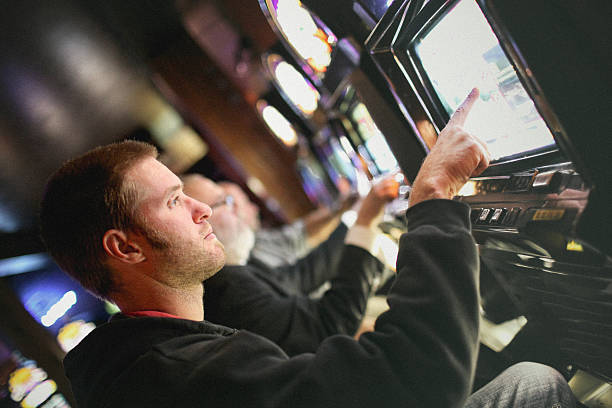
Conversely, in cultures where gambling is stigmatized, such as in parts of the United States and many Middle Eastern nations, negative perceptions can drive individuals to gamble discreetly. This cultural resistance may stem from historical or religious beliefs that label gambling as immoral or a sin. Such attitudes can discourage participation, making those who do gamble feel shame or guilt, thereby influencing their behaviors and decisions around gambling activities.
The interplay between culture and religion also creates distinct gambling landscapes across the globe. For instance, Islamic teachings strictly prohibit gambling, which leads to the absence of legal gambling establishments in many Muslim-majority countries. Conversely, in regions where Hinduism is prevalent, certain forms of gambling are not only accepted but celebrated, as seen in traditional card games during festivals like Diwali. These cultural influences thus serve as pivotal factors in shaping both attitudes and practices surrounding gambling.
The Impact of Economic Factors on Gambling Behavior
Economic conditions heavily influence gambling behaviors across cultures. In regions with strong economies, individuals often have more disposable income, leading to increased participation in both land-based and online gambling. This trend is particularly observable in Western nations, where high living standards and robust entertainment industries encourage gambling as a leisure activity. Economic prosperity can normalize gambling, making it an everyday option for many people.
On the other hand, in areas facing economic hardships, gambling might be seen as a desperate escape or a quick avenue for financial relief. For example, in regions with high unemployment rates, some individuals may turn to gambling with the hope of winning large payouts to alleviate their financial burdens. However, this behavior can perpetuate a cycle of poverty and addiction, as the odds of winning are often heavily stacked against them. The socioeconomic context thus plays a crucial role in determining not only the frequency of gambling but also the motivations behind it.
Moreover, the regulation of gambling activities can further shape economic influences. In countries where gambling is heavily taxed or restricted, individuals may seek illegal gambling options, showing a stark contrast in gambling behaviors compared to more regulated markets. This disparity highlights how economic and legal frameworks interact, influencing personal choices and societal norms regarding gambling in diverse cultural settings.
The Influence of Technology on Global Gambling Practices
Technological advancements have transformed gambling behaviors worldwide, providing new platforms and methods for engagement. Online gambling has made it easier for individuals to participate in games of chance from the comfort of their homes, transcending geographical boundaries. This has democratized access to gambling, allowing people from various cultural backgrounds to engage in online casinos, poker games, and sports betting without the need to visit physical establishments.
In cultures where traditional gambling is prevalent, such as in Las Vegas or Macau, technology has created hybrid experiences that blend in-person and online participation. Live dealer games, for instance, allow players to enjoy the casino atmosphere while still playing from their devices. This integration enriches the gambling experience, appealing to a younger generation accustomed to digital interactions. However, it also raises concerns about responsible gambling, particularly in cultures where gambling is already viewed as a vice.
The rapid proliferation of mobile apps has further revolutionized the gambling landscape. In many countries, mobile gaming has become the preferred method for gambling, especially among younger demographics. This shift changes not just how people gamble, but also how cultures perceive gambling, as it becomes more integrated into daily life and social networks. As technology continues to evolve, it will undoubtedly shape future gambling behaviors in ways we have yet to fully comprehend.
Social Norms and Gambling Behavior
Social norms play a crucial role in defining acceptable gambling behaviors within different cultures. In communities where gambling is socially accepted, participation can foster social interactions and community bonding. For instance, in many Latin American countries, family gatherings often include games of chance, reinforcing a shared cultural experience. These social norms can promote a sense of belonging and camaraderie, as gambling becomes an integral part of community life.
Conversely, in societies where gambling is stigmatized, individuals may feel pressure to conform to social expectations, leading to clandestine gambling practices. The need to hide gambling activities can create a sense of isolation, contributing to problematic behaviors such as addiction. Peer influence is another significant factor; when gambling is viewed negatively by the majority, individuals may abstain to avoid judgment or ostracism from their social circles.

Exploring Global Gambling Trends at Mafia Casino
Mafia Casino represents an exciting convergence of cultural influences and global gambling trends. Launched in 2025, this online gaming platform is designed to cater to diverse audiences, offering over 3,000 games from leading providers. By embracing a global approach, Mafia Casino acknowledges the varying cultural attitudes towards gambling, providing a safe and entertaining environment for players from different backgrounds. This inclusivity creates a unique space where users can explore their interests while enjoying the thrill of gaming.
The website’s promotional offerings, including a generous 100% bonus and free spins, are strategically crafted to appeal to players worldwide, reflecting the globalization of gambling behaviors. With secure transactions and fast payouts, Mafia Casino prioritizes user experience and trust, essential elements in the digital gambling landscape. Moreover, the platform’s focus on customer support ensures that players feel valued, further enhancing their gaming journey.
In summary, Mafia Casino not only serves as a platform for gaming but also as a reflection of the diverse influences shaping gambling behaviors across cultures. By providing a comprehensive gaming experience, it allows players to engage in their favorite activities in a responsible and enjoyable manner. As the gambling landscape continues to evolve, platforms like Mafia Casino are at the forefront, adapting to meet the needs of a global audience while respecting the cultural nuances that define gambling behaviors worldwide.
«`